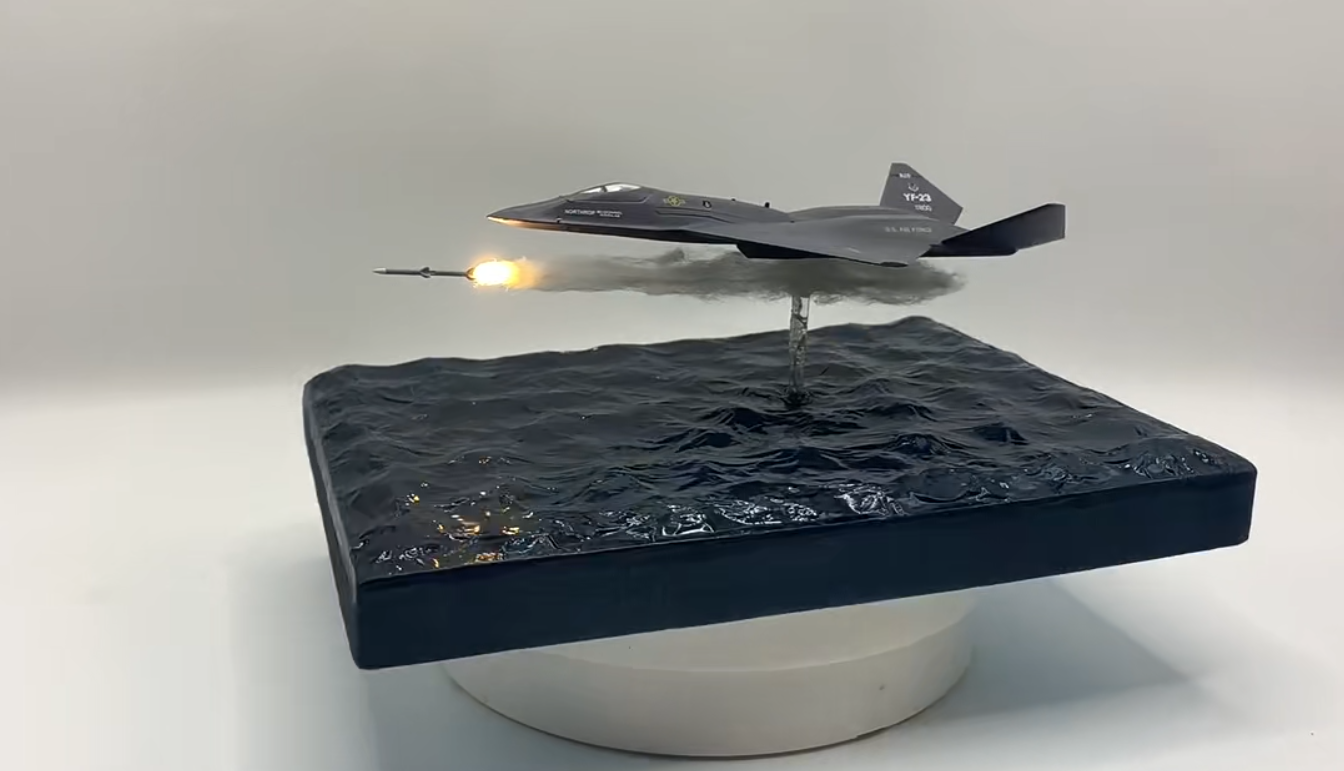
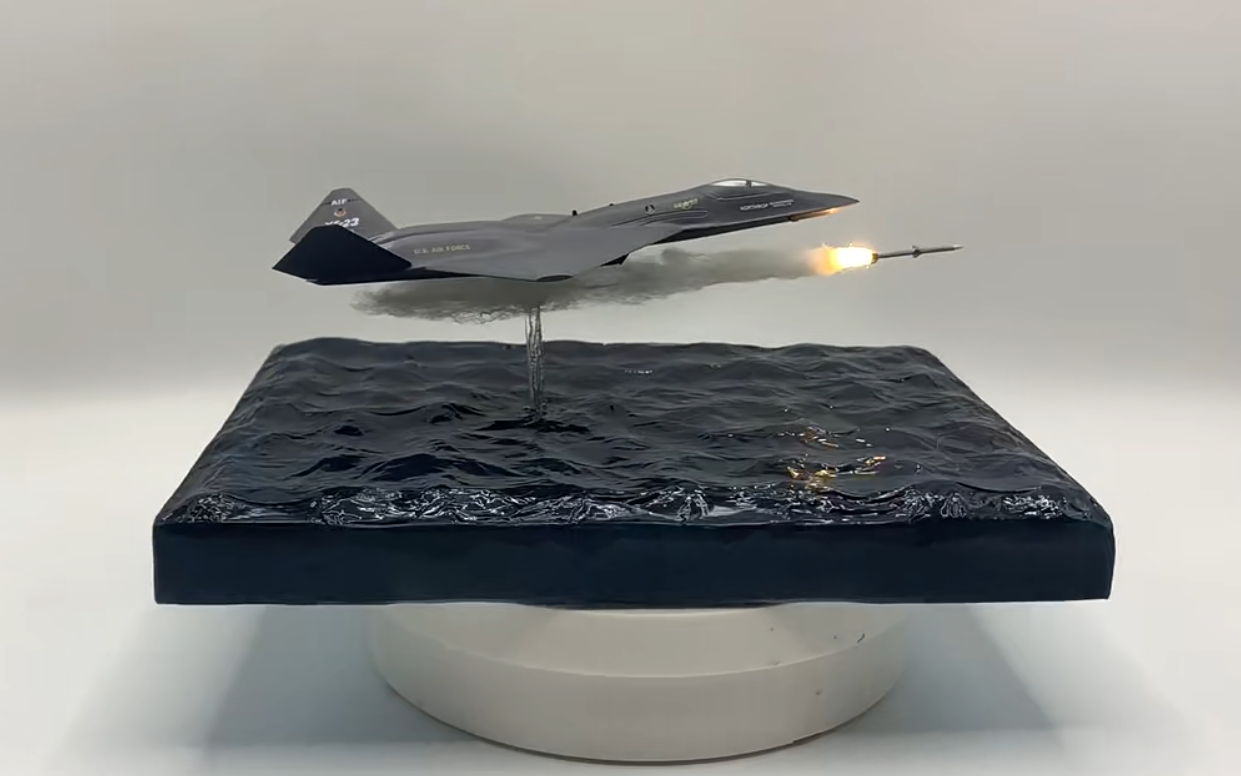
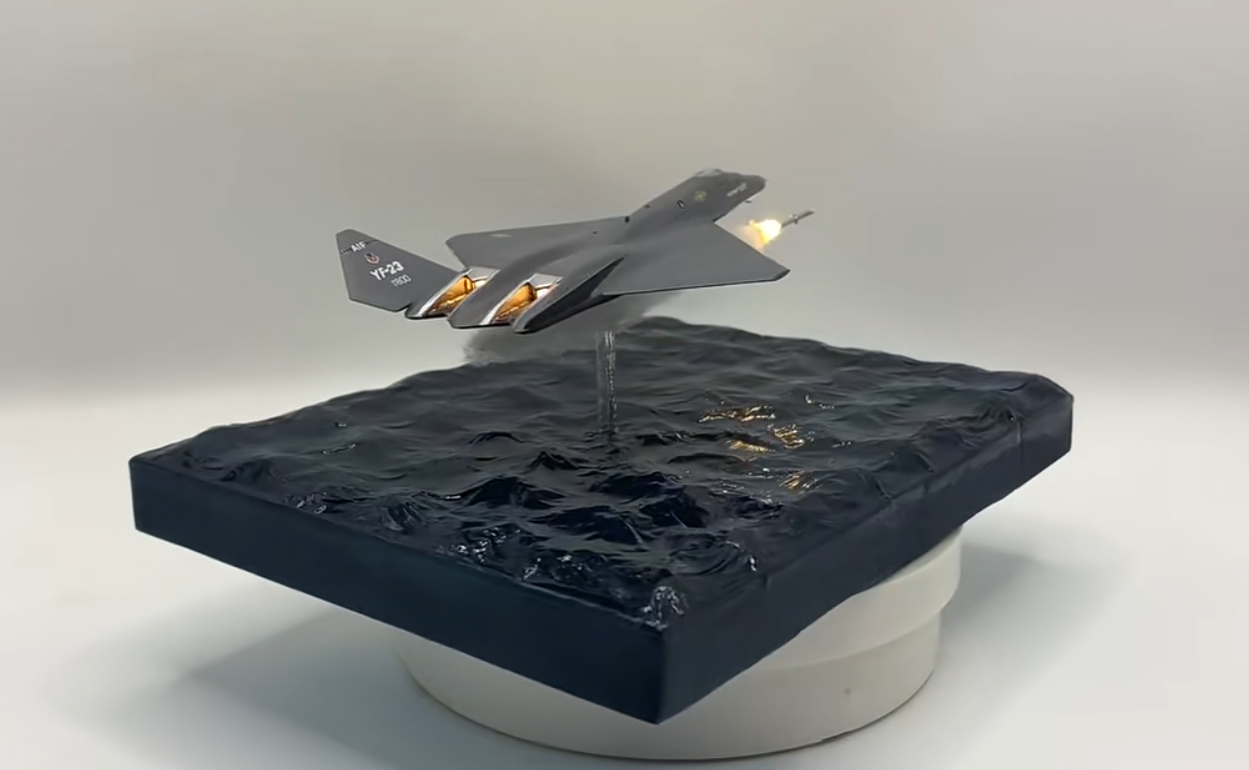
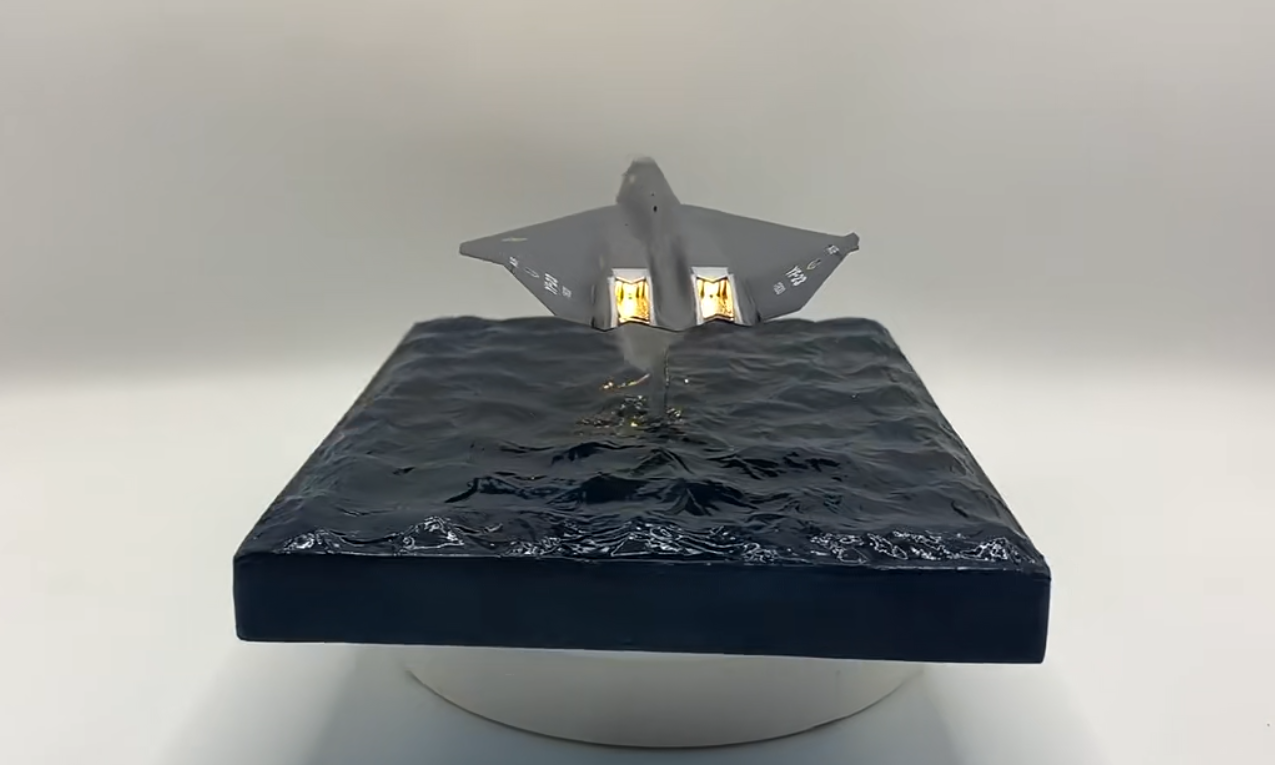
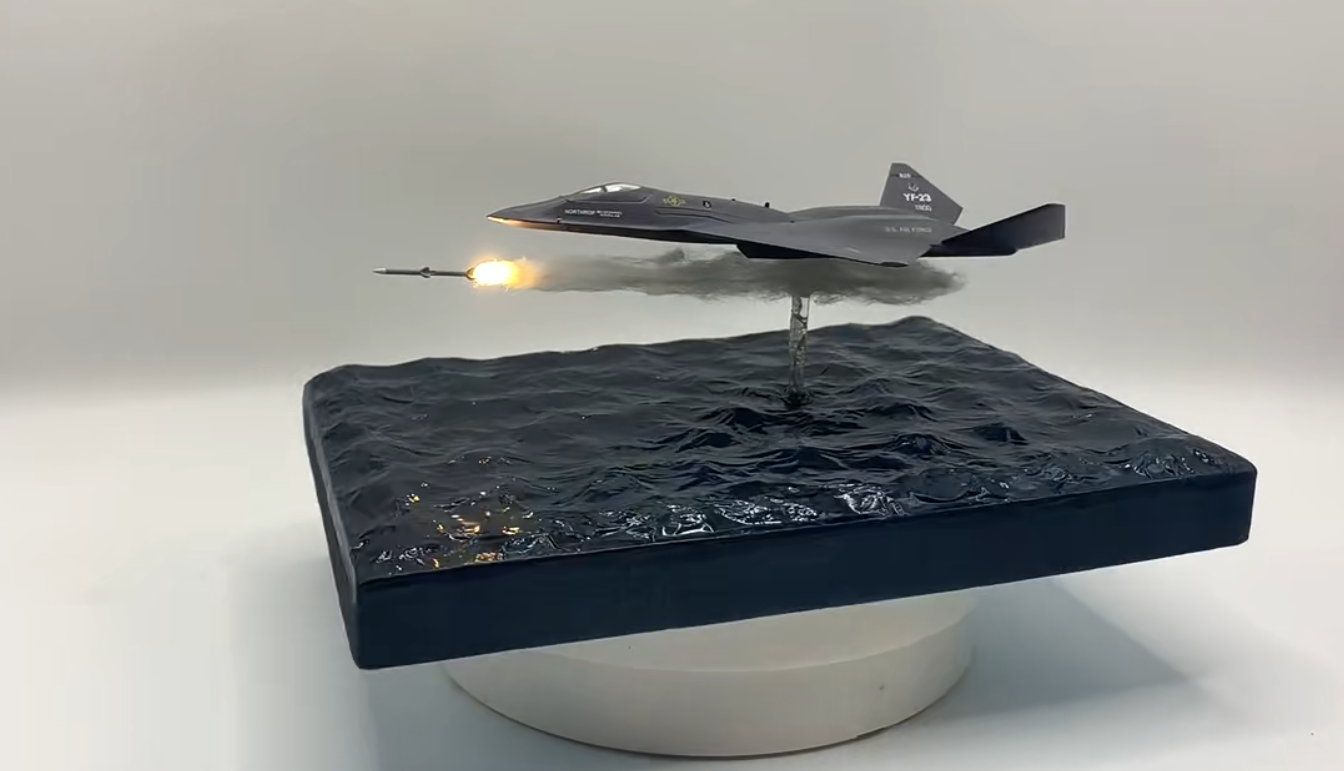
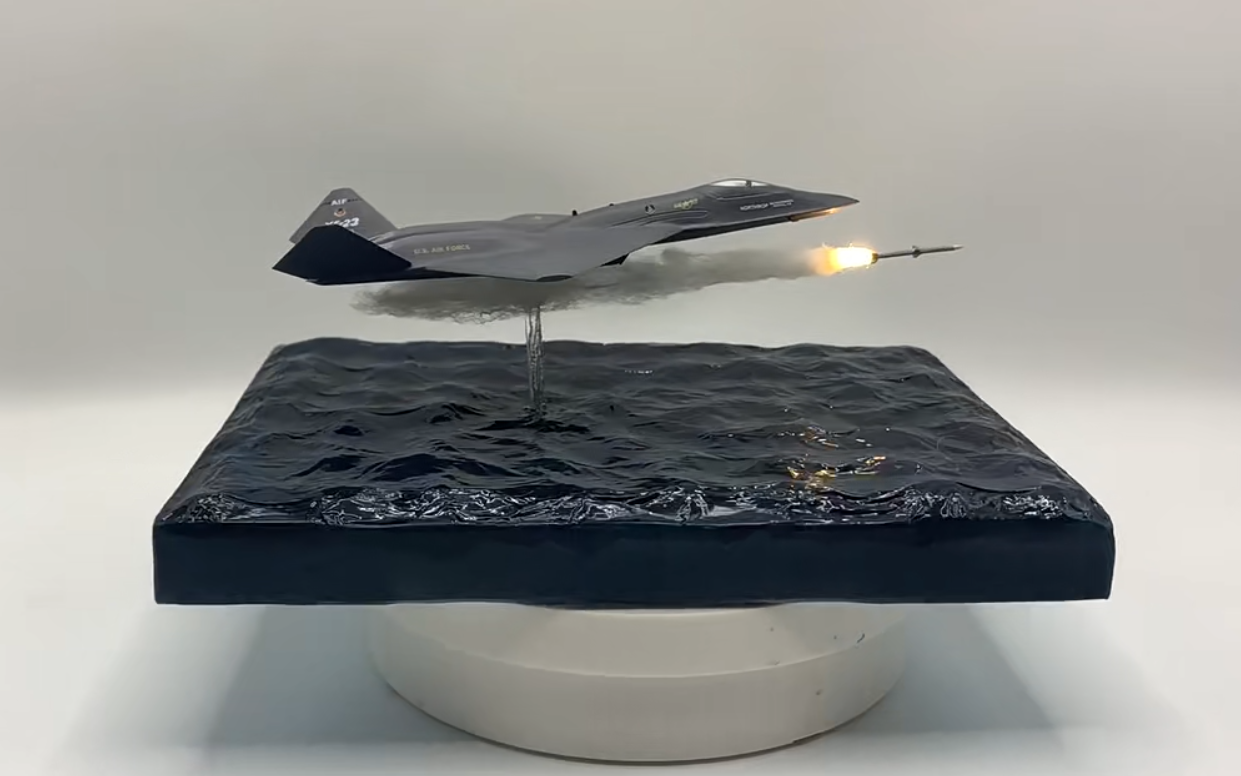
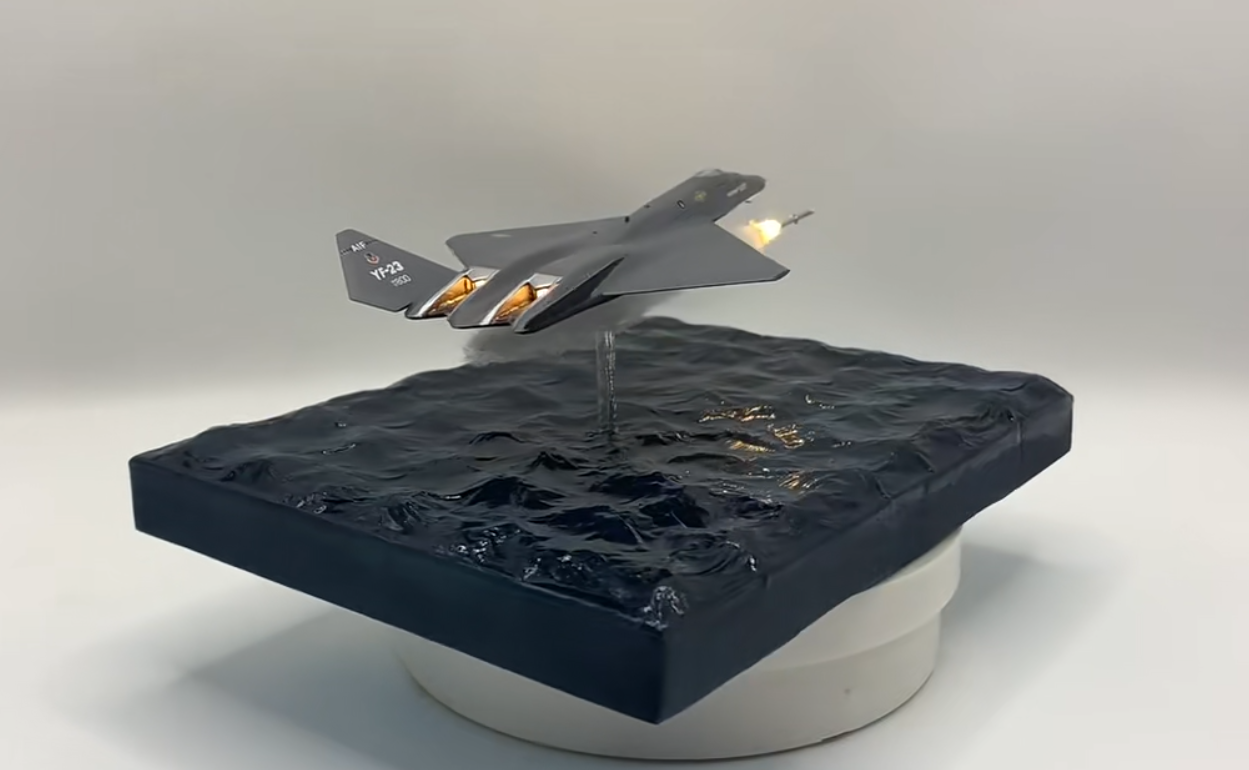
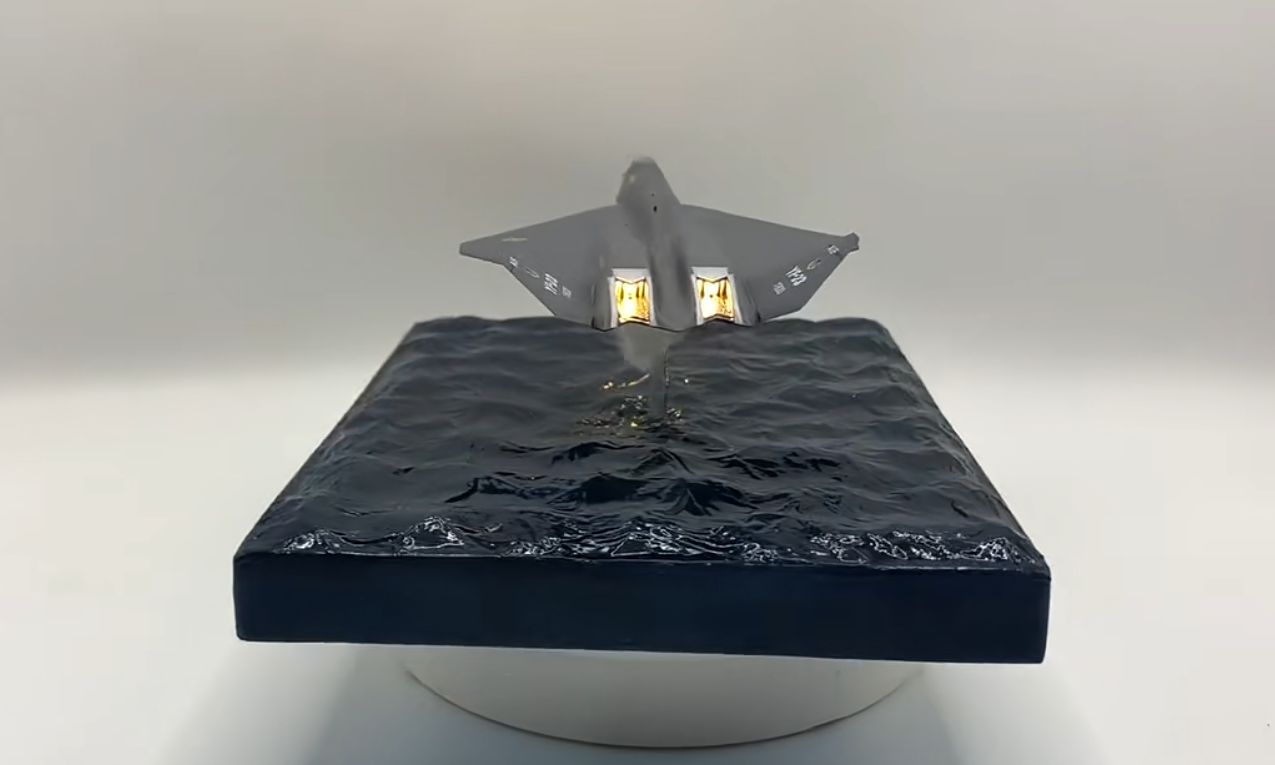
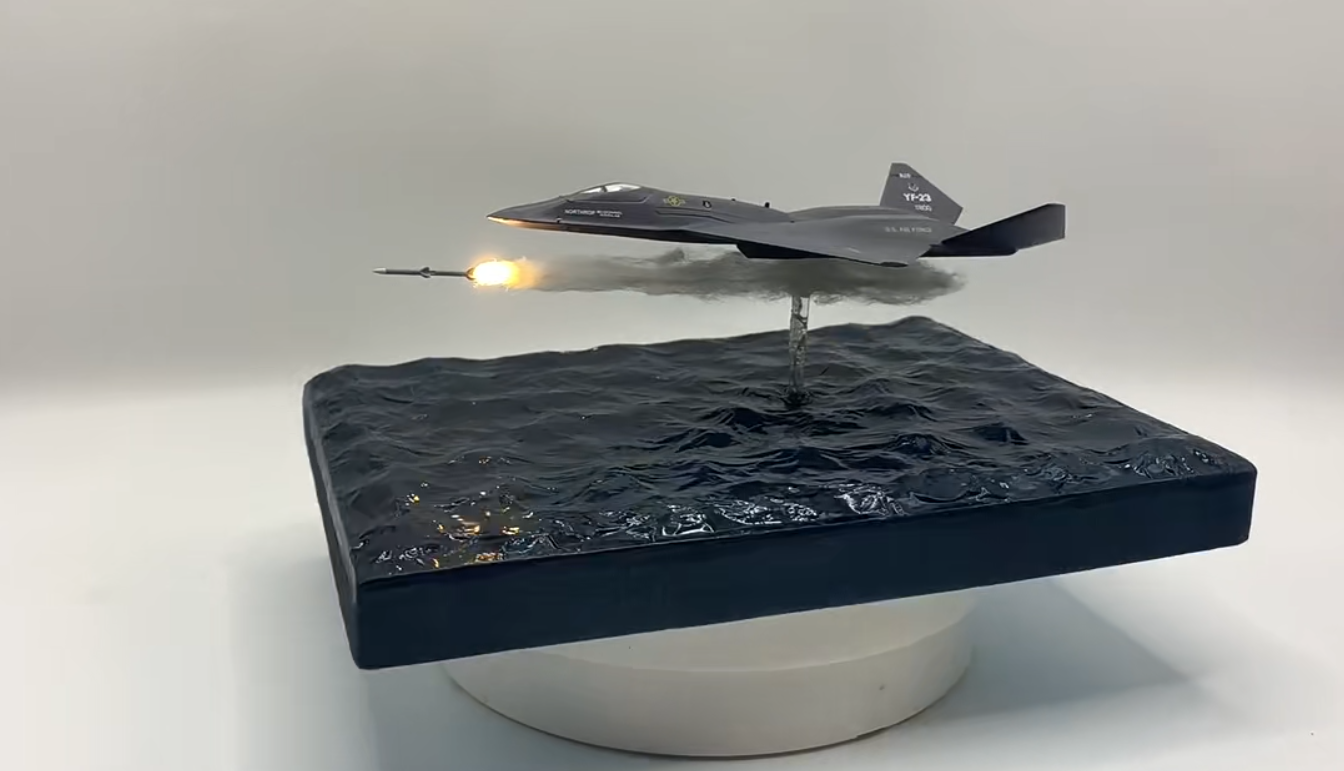
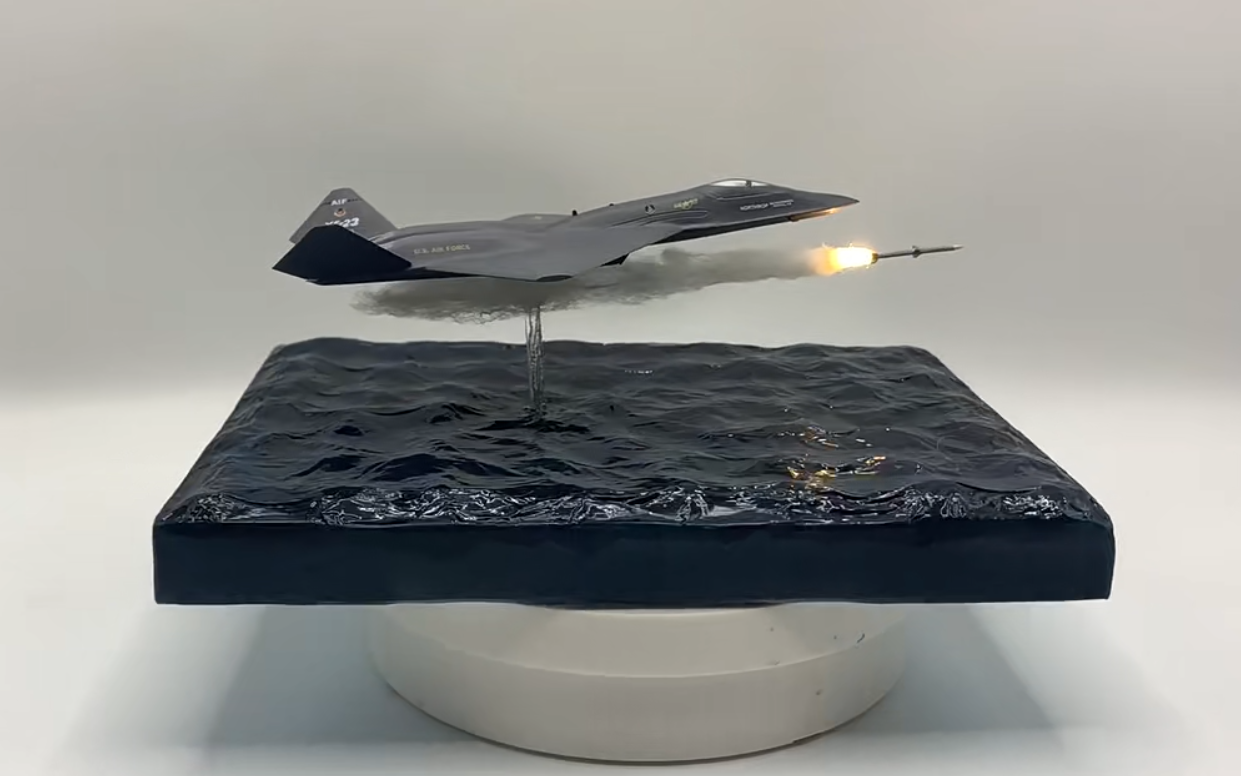
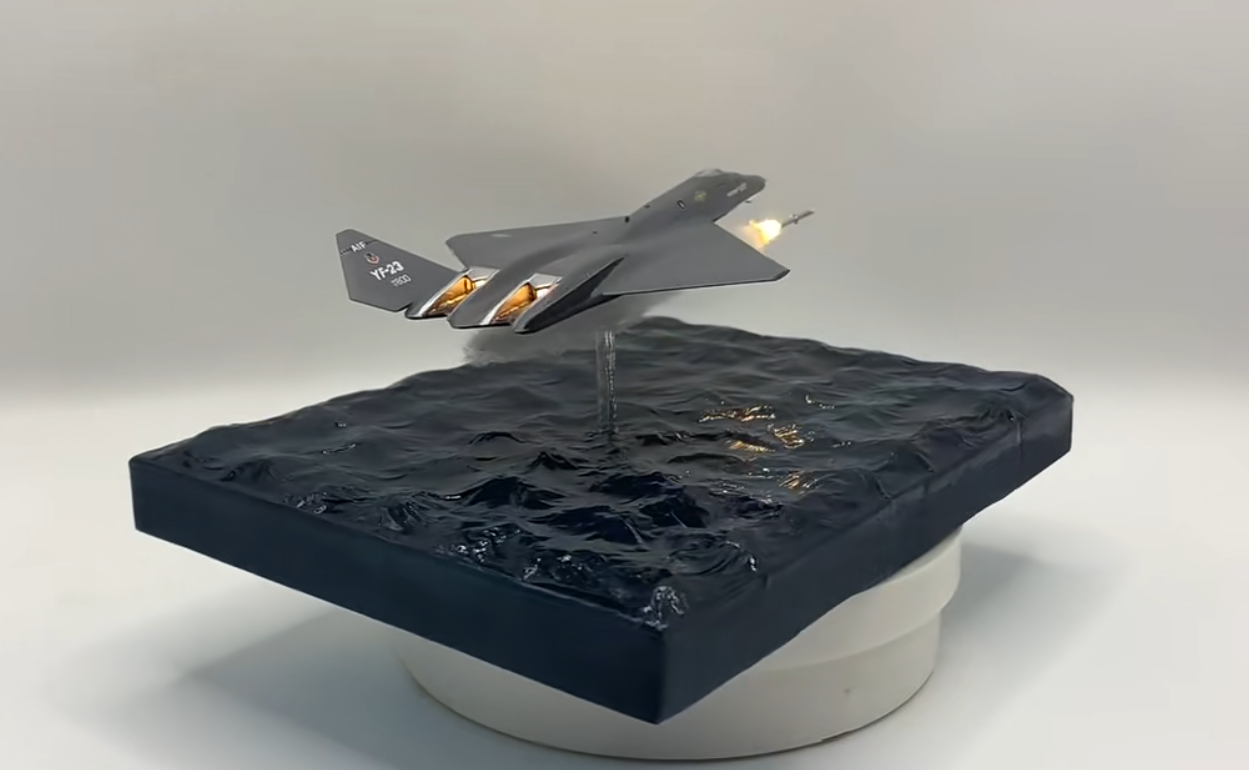
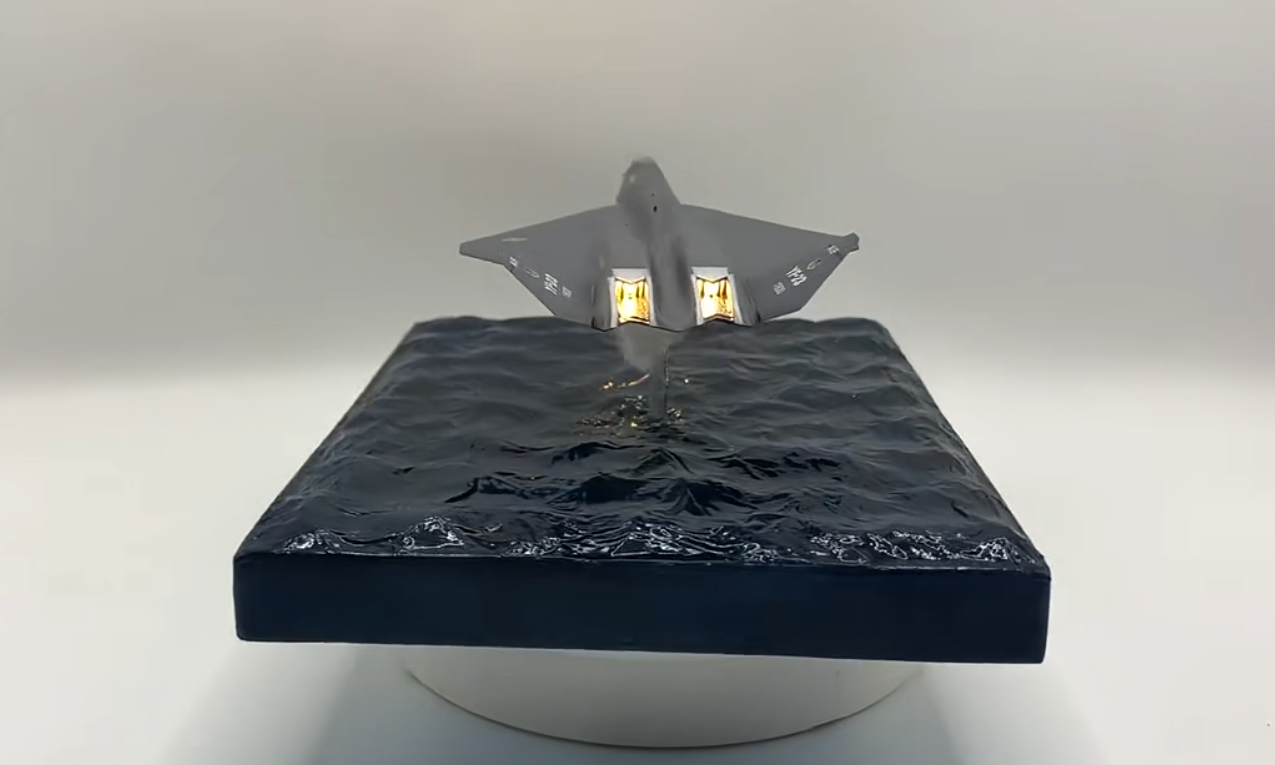
In 1985, the U.S. Air Force issued a design requirement for a new generation fighter jet to replace the F-15, known as the Advanced Tactical Fighter (ATF) program. Various companies submitted their design drafts. In 1986, the U.S. Air Force announced it would select the two most promising designs for a 48-month prototype design and flight test program during the Demostration/Validation (Dem/Val) phase. In July of the same year, the U.S. Air Force selected Lockheed and Northrop to advance to the next phase of competition, and suggested that the three unsuccessful companies form a design team with the winner to share the design work, costs, and losses. Northrop chose to team up with McDonnell Douglas to compete against Lockheed, General Dynamics, and Boeing.
The first YF-23 prototype rolled off the production line on June 23, 1990, and conducted its first test flight on August 27. The first YF-22 prototype did not roll off the production line until August 29. The first test flight took place on September 29th. The YF-23 achieved a supersonic cruise record of Mach 1.43 without afterburner during its fifth test flight on September 18th, while the YF-22 reached Mach 1.58 on November 3rd. The second YF-23 prototype rolled off the production line on September 29th. The two prototypes used different engines: the first prototype used a Pratt & Whitney YF-119, while the second prototype used a General Electric YF-120, the reverse of the YF-22. However, the same engine used in both aircraft did not provide complete compatibility.
Two YF-23s flew over the Mojave Desert. The YF-23 prototype design concept differed significantly from the YF-22. Besides utilizing many existing components, the YF-23's flight test program did not include test firings of air-to-air missiles or verification of high angle-of-attack flight capabilities; instead, it focused primarily on wind tunnel testing to collect and validate data. Test results showed that the YF-23 had no angle-of-attack limitation and could easily recover stable flight from any spin, with difficulties only arising when the missile bay doors were open.
The YF-23 underwent 50 test flights, totaling 65 hours of flight time, achieving a maximum airspeed of Mach 1.5, a maximum load of 7G, and a maximum angle of attack of 25 degrees.